Bathroom Tile Guide: Styles, Install, and Care
By
Olivia
Published
2026-01-10 12:29:44
Time
4 min read
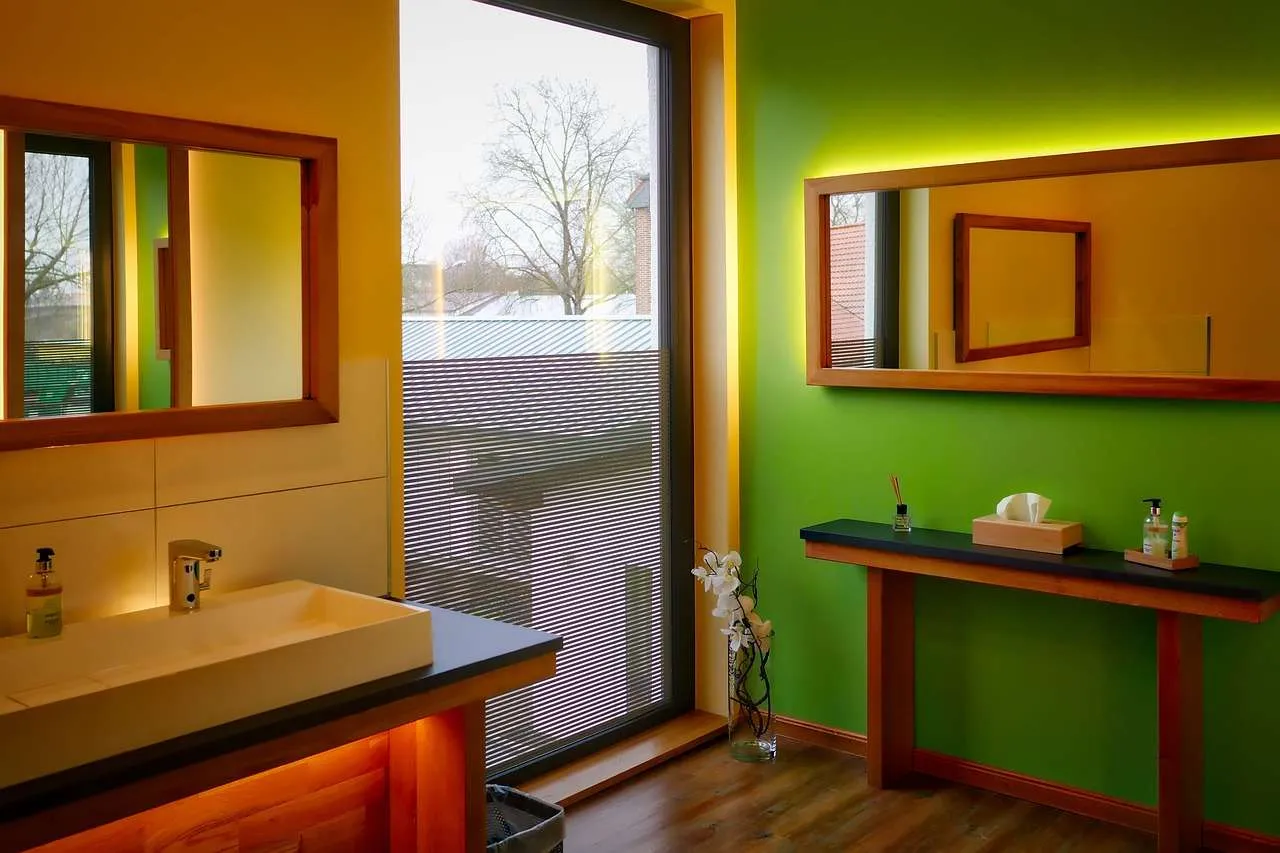
Bathroom tile is the backbone of a bathroom design, balancing moisture resistance, durability, and style. With the right tile selection and proper installation, you gain a surface that lasts for years and elevates daily routines. This guide provides expert insights for homeowners, DIYers, and pros alike, focusing on materials, layout, preparation, and maintenance.
Understanding bathroom tile types
Ceramic tiles
Ceramic tiles are baked clay (earthenware) with a glaze finish. They are affordable, lightweight, and easy to cut, making them popular for walls and light-traffic floors. Choose a higher PEI rating for floors and a glazed or matte finish for slip resistance.
Porcelain tiles
Porcelain is a dense, low-porosity ceramic that performs well in wet areas. It is less prone to staining and can be used on floors and walls, including showers. Look for a water absorption rate under 0.5% and a PEI rating suitable for your space.
Natural stone tiles
Natural stones such as marble, travertine, or slate create luxury and unique veining. They are porous and typically require sealing, regular re-sealing, and maintenance to prevent staining. They are excellent for backsplashes and walls or dry areas, but less ideal for heavily wet floors unless properly protected.
Glass and metal tiles
Glass tiles reflect light and brighten small bathrooms, while metal accents add contemporary contrast. Glass can be slippery when wet and may require silicone grout or proper installation to prevent haze or chipping.
Mosaic and specialty tiles
Mosaic tiles, including tiny porcelain mosaics or natural stone mosaics, offer flexibility for curved surfaces and complex patterns. They require more grout lines and careful installation, but can create intricate designs and texture.
Choosing tile for walls vs floors
Walls tolerate a wider range of tile types and textures, but floors demand higher durability and slip resistance. For floors, select tiles with a suitable PEI rating and a textured finish, and plan for expansion joints in larger rooms. For walls, aesthetics and ease of cleaning often drive the choice.
Size, layout, and pattern
Size and pattern influence perceived space and maintenance. Large-format tiles reduce grout lines and can visually enlarge a room, while small formats or mosaics bend to irregular surfaces and niches. Consider running bond, herringbone, or vertical patterns to accent ceilings or showers, and plan for adequate cuts around obstructions.
Preparation, waterproofing, and installation basics
Proper substrate preparation is essential. Use cement backer board or approved waterproofing membranes in wet areas, and apply a suitable thinset mortar. Back-buttering helps with better adhesion, and isolation or expansion joints prevent cracking. If you install over existing tile, ensure the surface is sound and clean before tiling.
Grout, sealing, and maintenance
Grout choice affects longevity. Cementitious grout is common but porous; epoxy grout offers chemical and stain resistance but costs more and can be harder to apply. Porous stones require sealing; reseal according to product guidelines, typically every 1-2 years for high-use areas. Clean with pH-neutral cleaners and avoid acidic products that can etch stone or degrade grout.
Cost, installation, and DIY vs professionals
Costs vary by material, size, and labor. Ceramic tile is usually the most affordable for walls and light floors, porcelain offers excellent value for wet spaces, natural stone adds luxury with higher maintenance, and glass provides a premium look. For complex layouts or large showers, hiring a licensed installer ensures waterproofing integrity, proper curing, and a warranty. Always verify product warranties and the installer’s certifications, and request a written plan with dimensions and substrate details.
Maintenance and longevity
Regular cleaning with a neutral cleaner, prompt spill and mildew control, and timely resealing of porous surfaces extend tile life. Use mats or rugs in high-traffic zones near entryways and showers to minimize wear. A well-chosen tile, installed correctly, remains a focal point of the bathroom for years.
Comparison at a glance
| Type | Pros | Cons | Best For | Maintenance |
| Ceramic | Affordable, wide range | Less durable on floors | Walls, light floors | Easy; grout sealing optional |
| Porcelain | Dense, versatile | Higher cost | Floors, showers | Sealing; epoxy grout optional |
| Natural stone | Luxurious, unique | Porous, high maintenance | Showers, feature walls | Regular sealing |
| Glass | Brightens spaces | Slippery, delicate | Backsplashes, accents | Special grout, wipe haze |
| Mosaic | Flexible layouts | Higher grout lines | Curves, niches | Regular cleaning |
Summary: This guide outlines how to select bathroom tile based on location, usage, and maintenance, and explains how to install and care for tile properly to ensure a durable, stylish bathroom.