Home Window Tint: A Practical Guide
By
Ethan
Published
2026-01-10 12:37:08
Time
4 min read
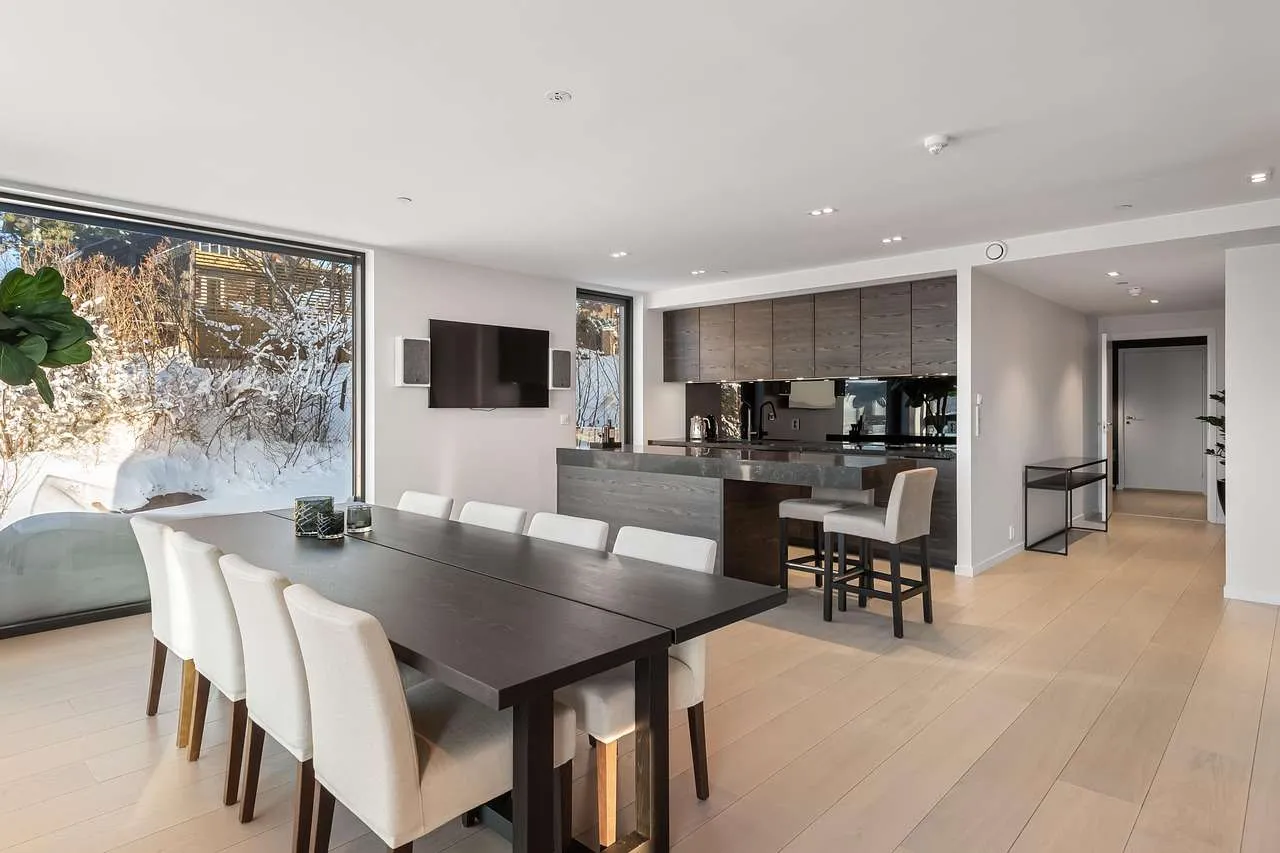
Home window tint is a thin film applied to glass surfaces to reduce glare, block UV rays, and improve indoor comfort. This guide explains how residential films work, the options available, and how to choose a reputable installer to ensure a lasting, high-quality result.
What is home window tint?
Residential window tint refers to slim coatings designed for home windows. The film is typically made from polyester with an adhesive that bonds to the glass. The aim is to reduce heat transfer, protect furnishings from fading, and give homeowners better control of daylight and privacy.
Benefits of home window tint
- Energy savings: reduces cooling load by blocking heat from entering the home.
- UV protection: up to 99% UV rejection to protect skin and interior materials.
- Glare reduction: makes screens and dashboards more comfortable.
- Privacy and safety: visible tint or reflective finishes provide privacy; some films hold shattered glass together.
- Preservation of interiors: slows fading of fabrics, carpets, and wood furniture.
Types of residential window film
Common film families vary in performance, appearance, and price. Here are the main options:
Dyed film
Low-cost option that darkens windows. It reduces glare but offers modest UV rejection and can fade or turn purple over time.
Metalized film
Metal layers increase heat rejection and strength but can interfere with electronics and reduce signal transmission in some cases. These films also tend to be reflective from the outside.
Ceramic film
High-performance, non-conductive, and non-reflective. Ceramic films provide strong UV and IR rejection with minimal interference and excellent color stability.
Carbon film
Non-reflective finish with good shading and UV protection. Durable and resistant to fading, but lower IR rejection than ceramic in some products.
Hybrid and dual-use films
Combine ceramic and dyed layers to balance price, appearance, and performance.
Reflective/metallic finishes
Very good glare and heat control with a mirror-like exterior appearance. Privacy varies with light conditions; check local regulations about reflectivity.
Key factors to consider when choosing
- Climate and sun exposure: hotter climates benefit from higher IR rejection and lower SHGC.
- Glass type: tempered or insulated glazing can affect film choice and warranty.
- Appearance: choose VLT to meet privacy and daylight needs; consider exterior reflectivity if any concerns.
- Privacy vs visibility: depending on interior lighting, some films are more discreet during the day than others at night.
- Warranty and service: look for long-term warranties covering bubbling, peeling, and adhesive failure.
Energy, comfort, and safety metrics
Key performance numbers to compare include visible light transmission (VLT), ultraviolet (UV) rejection, and infrared (IR) rejection. Higher IR rejection reduces heat gain; higher UV rejection protects interiors and skin. Always verify the manufacturer’s specifications and local building codes.
Cost and maintenance
Residential window tint typically costs between $5 and $12 per square foot installed, depending on film type, window size, and labor. Ceramic and high-end carbon films command higher prices but deliver better performance and longer warranties. Maintenance is simple: clean with a gentle, ammonia-free glass cleaner and a soft microfiber cloth. Avoid abrasive tools that can scratch the film.
Table: Comparison of common film types
| Film Type | VLT | UV Rejection | IR Rejection | Durability | Best For |
|---|---|---|---|---|---|
| Dyed | 25–65% | Up to 99% | Low | Moderate | Budget, glare control |
| Metalized | 7–70% | Up to 99% | High | High | Heat control, some privacy |
| Ceramic | 35–60% | Up to 99.9% | Very High | High | Performance, clarity |
| Carbon | 40–65% | Up to 99% | High | High | Non-reflective, durable |
| Reflective | 5–60% | Up to 99% | Very High | High | Privacy, glare control |
Installation options: DIY vs. professional
Professional installation ensures proper adhesion, edge sealing, and warranty coverage. Trained installers can handle curved or challenging panes and remove old films without damaging glass. DIY kits are available for smaller projects, but mistakes can trap air bubbles, result in uneven edges, or void warranties. Always check warranty terms and ensure the product is approved for your window type.
Choosing a reputable installer
To protect investment and achieve predictable results, vet installers as you would any contractor. Look for certified technicians, clear written estimates, approved product lists, and a solid warranty. Ask about heat-rejection tests, window-specific recommendations, and after-installation support. Reading customer reviews and requesting case studies can provide insight into real-world performance.
Compliance and privacy considerations
Some states regulate tint darkness and reflectivity on side windows, especially for the driver’s side. Homeowner associations may have guidelines as well. Ensure your chosen film complies with local laws and HOA rules before purchase and installation. If you have dual-pane or gas-filled windows, insist on professional installation to preserve warranty and energy performance.
Conclusion
Conclusion, home window tint offers a path to lower energy costs, better comfort, and longer-lasting interiors. By understanding film types, performance metrics, climate considerations, and installation options, you can select a film that balances privacy, aesthetics, and efficiency. Choose a reputable installer, review warranties, and follow maintenance guidelines to maximize the life and benefits of your home window tint.